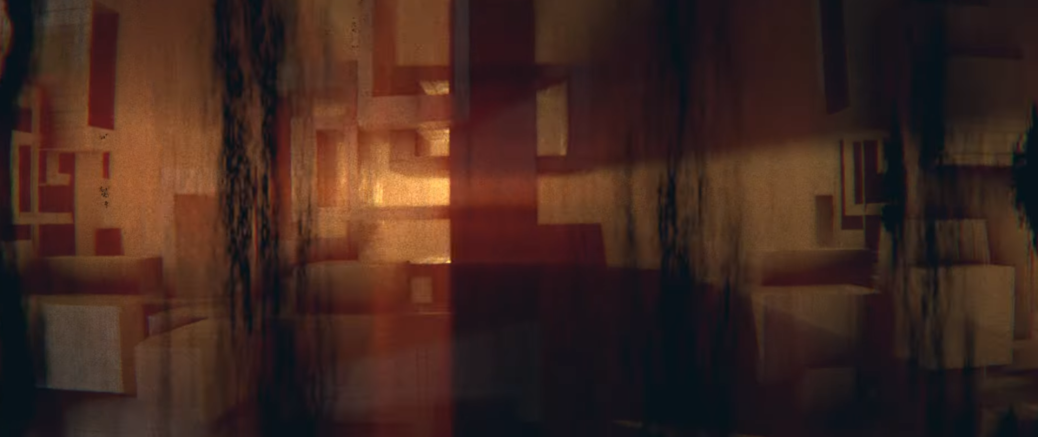
Many software engineers I know are familiar with the demoscene, but very few follow it actively. Every year, around 2,000 productions are released. Once in a while, a masterpiece like .kkrieger or Elevated becomes famous, but most of the best work stays inside the scene.
To filter the noise, juries of demosceners nominate the best productions of the year for the Meteoriks awards. The 2026 nominees were just announced, so it’s a good excuse to watch a few demos.
I’ll highlight a few demos that particularly impressed me. Note that I have a bias toward modern platforms and size-coding, so don’t hesitate to look at the full list. Here’s what caught my eye this year.
The demoscene is a computer subculture focused on realtime graphics and technical creativity. Demos are programs that generate visuals and music in realtime, often under extreme constraints such as very small file sizes or old hardware.
Tension (Digital Dynamite x Aenima)
This is a 64kB remake of a prerendered video made in 2002. In a 64k intro, you usually design the aesthetics around what’s easy to generate procedurally. Here, the team did the opposite: they decided to recreate each shot of a 23-year-old video. Each shot in the demo matches the original very closely. The amount of work is mind-blowing, as everything is high-quality: textures, models, animations, etc.
The trick to make an intro is to massively use procedural generation. If you’re curious how these 64kB demos are made, I wrote a series of articles with Zavie that explain many of the techniques: A dive into the making of Immersion.
To see how the demo compares with the original video, see this side-by-side comparison:
Dune (Alcatraz)
This won the 8k compo at Revision. I was in the same competition with my own demo, The Sheep and the Biker (which took 2nd place). While I focused on narrative, Dune focused on the atmosphere in a superb way, each shot is beautiful, with impressive atmospheric lighting. I was particularly impressed by the soundtrack: it’s very high quality and it matches the scale of the visuals perfectly.
If you’re curious to see the techniques typically used for making 8k intros, check out my article: How we made an animated movie in 8kB.
No-CPU Challenge (Demostue Allstars)
This one is for the Amiga purists. The challenge was to make a demo using zero CPU cycles. Everything is handled by the Copper, Blitter, and DMA. It’s a pure hardware hack production that inspired other people to try the challenge.
I know this is fairly technical; if you’re interested in the details, check out github.com/askeksa/NoCpuChallenge for more information.
Brute Concrete (United Force & Digital Dynamite)
Brute Concrete uses a deliberate stop-motion aesthetic with smooth camera paths. This intro is so elegant that you forget it was just 64kB. I love the aesthetics in this demo, with brutalist models, good postprocessing and a very distinctive style.
Hexer (LJ)
Made by the same coder as Dune mentioned above, this is a 4kB demo. It’s difficult to do storytelling in just 4kB and most 4k intros focus on abstract geometry. Here, LJ instead went for a shaky-cam, independent-horror-film vibe with hectic cuts and a thick grain effect. It’s a very clever concept with a very strong direction.
Breach (mfx)
The PC demo competition is just about making a good demo, without the limitations of the other categories. Build with Cables.gl, Breach is a superb, cinematic, realtime artwork. The demo has a high-quality renderer, with lots of interesting effects and an artsy vibe. The soundtrack is a perfect match.
Nine (lft)
This is a demo for the Commodore 64 that features 9 moving sprites. This might not sound much, until you learn about the technical details of the demo.
C64 hardware has an 8-sprite-per-scanline limit. Presented as a magic show where a magician pulls sprites out of a hat, this demo breaks that limit in a way that looks effortless. If you’re interested in oldschool computers and magic tricks, the making-of video is fascinating:
Wunderlust (Gray Marchers)
I’ll finish this list with the PC demo that took 1st place at Assembly 2025. Although PC demos are allowed to use hundreds of megabytes of data, this one is just a 500kB HTML/JS file with an mp3 on the side.
Instead of the traditional polygon rendering, this demo uses raymarching, so most of the rendering happens in shaders. It has a beautiful renderer, with nice reflections and light effects. The demo has lots of scenes, with nice transitions and a very good sense of flow, feel-good music, and references to the demoscene tropes.
These demos show what the demoscene still does best: pushing hardware, tools, and creativity far beyond what most people expect. The Meteoriks winners will be announced at Revision, the world's largest demoparty. It will happen on April 3, in Saarbrücken, Germany.